June 4, 2025
The Importance of Electrical Inspections When Buying a Home
Buying a home is one of the biggest investments you’ll ever make—but many buyers overlook one critical detail: the condition of the electrical system. A thorough electrical inspection before closing a deal can save you from unexpected repair costs and ensure the safety of your future home.
Older homes often come with outdated wiring that may not meet current safety standards. For example, homes built before the 1970s may still have knob-and-tube wiring or aluminum wires—both of which pose serious fire hazards. Even newer homes can have electrical issues if previous owners attempted DIY repairs or unlicensed upgrades.
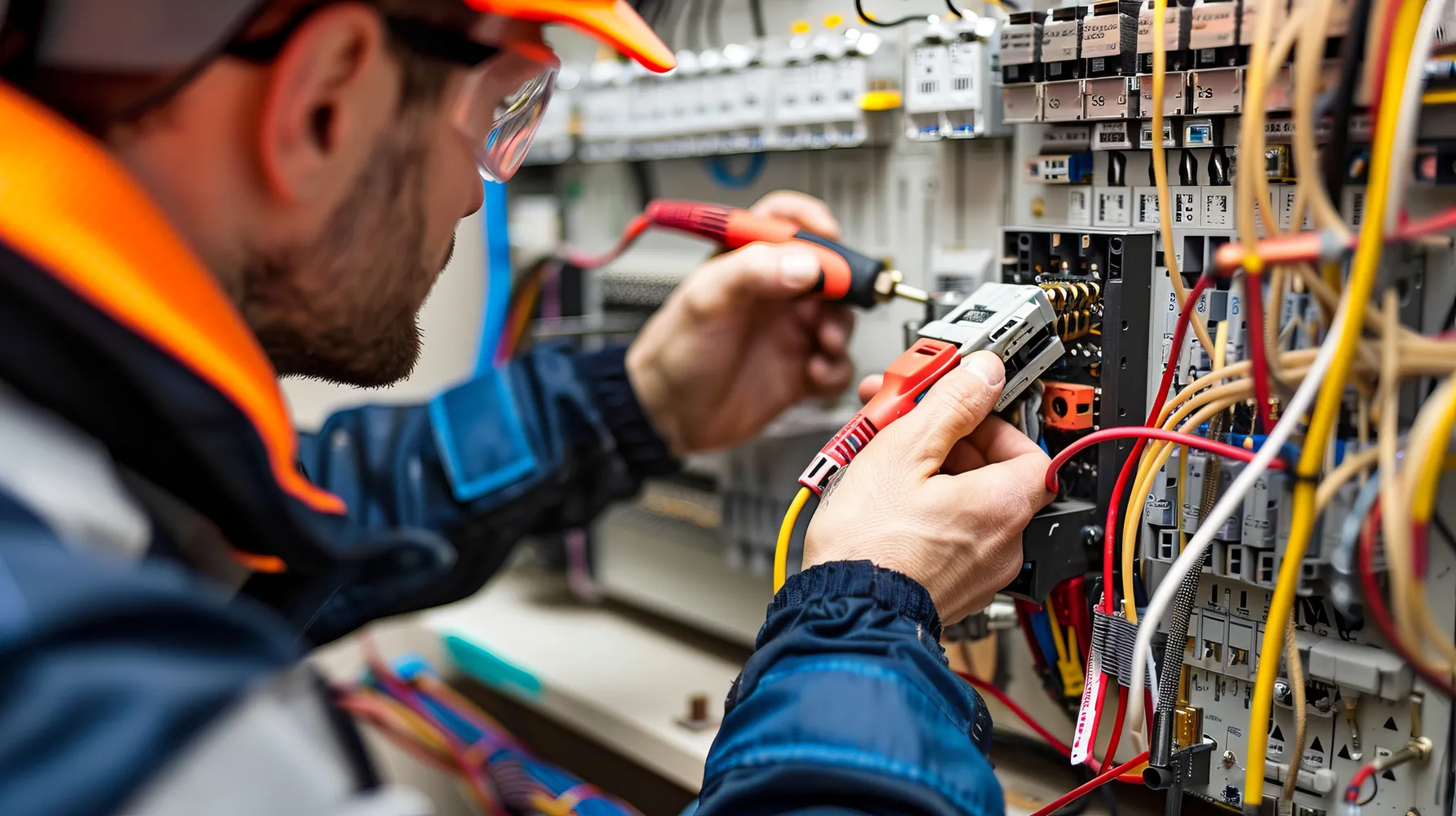
During a professional electrical inspection, a licensed electrician will check for proper grounding, inspect circuit breakers and panels, test outlets and switches, and ensure that the wiring is code-compliant. They’ll also look for signs of wear, corrosion, overloading, and other safety concerns.
Electrical inspections are particularly important if the home has undergone renovations or if you’re planning major upgrades, like a home office, EV charging station, or a finished basement. These additions increase electrical demand, and the existing system might not be equipped to handle it.
Skipping an inspection may lead to costly surprises after you move in. Faulty wiring, overloaded circuits, or missing GFCI outlets can cost thousands to fix—not to mention the risk to your safety and property.
In short, investing in a comprehensive electrical inspection before purchasing a home is a smart and responsible step. It ensures you’re making a fully informed decision and gives you leverage to negotiate repairs or pricing with the seller.